AI · 2026-11-16
China Tightens Technology Export Controls: Where Are the Lines Drawn for AI and Solar Power?
China is not only focused on securing overseas technologies, but also appears to be carefully managing the pathways through which its own core technologies leave the country. Here’s a look at the revised export control proposal involving AI and solar power technologies, the background behind it, and what it may mean for South Korea.
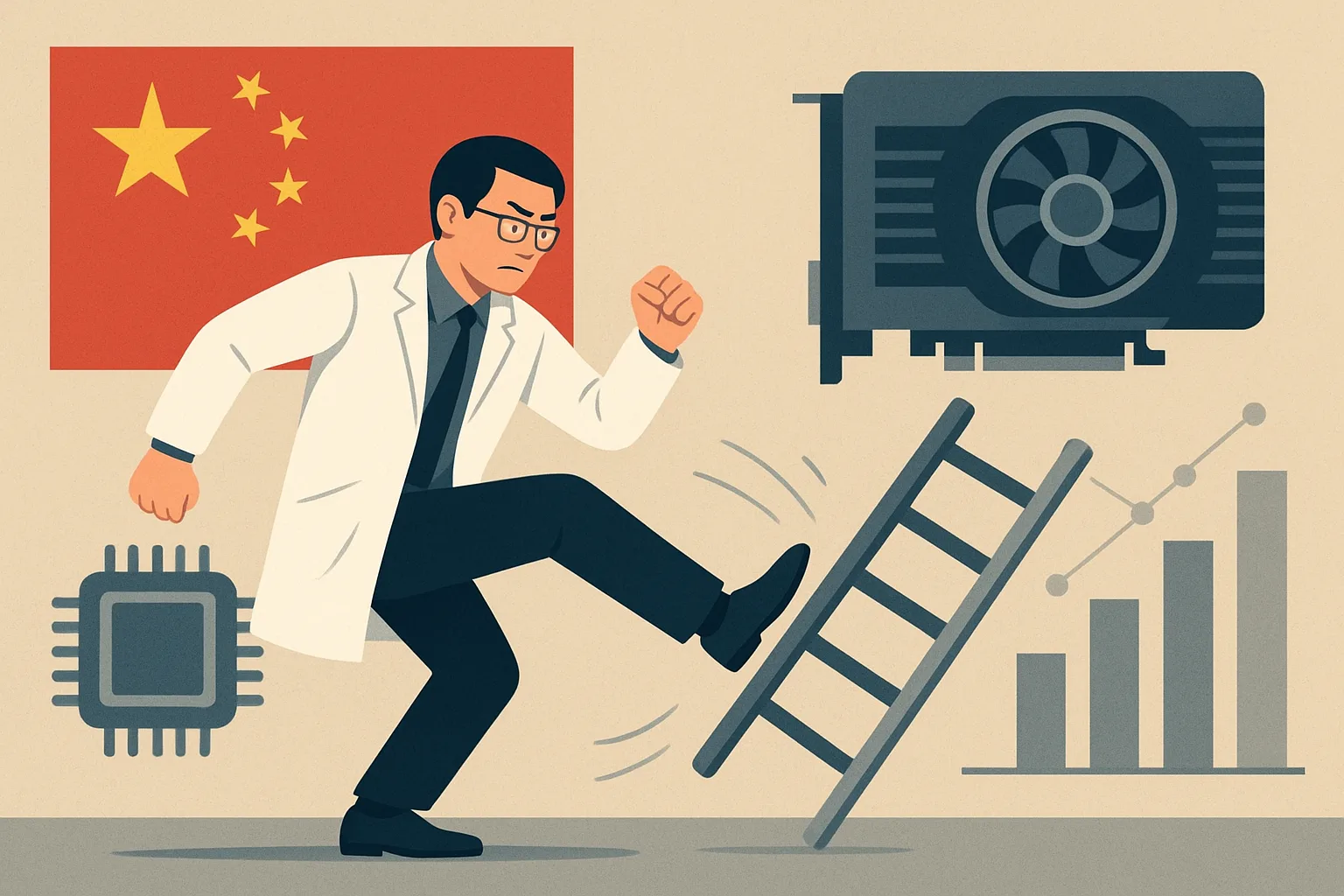
When people talk about China’s technology strategy, the first thing that usually comes to mind is its effort to secure foreign technologies in areas like semiconductors and artificial intelligence. But at the same time, China is also trying to manage the flow of core technologies developed at home as they move abroad. In other words, the technology race is expanding beyond the question of “who develops it faster” to “what can be shared, and with whom.”
What Changes in China’s Revised Export Controls?
According to a column by Sohn Byung-seon in JoongAng Ilbo, China’s Ministry of Commerce and Ministry of Science and Technology have unveiled a revised proposal to add a total of 40 technologies to the export ban and restriction list, including 23 AI technologies, 12 solar power technologies, and 5 biopharmaceutical technologies. Of these, 14 would be subject to export bans and 26 to export restrictions. If the revision is finalized, the number of controlled items could rise from the current 132 to 172. The column explains that the scope of registration would include not only whether export approval is granted, but also transactions that are still ongoing and deals in which ownership or effective control is transferred to a foreign entity.
One notable point is that the control range does not stop at finished products. There is a growing trend toward treating data, knowledge, and even human movement—the very foundations of technology—as subjects of control. The column interprets this as a shift toward a “research-protection” system that combines technology protection with R&D. The aim is not only to develop technology, but also to track how it is transferred and manage the critical points along the way.
Not Every Technology Is Being Locked Down
China’s approach is not a blanket shutdown. The revised proposal, as reported in the column, requires approval for acts such as transferring core technologies or models for large-scale AI models to overseas servers. On the other hand, it says services provided through APIs, apps, or SaaS, as well as already published papers and open-source materials, would be excluded from control. The distinction suggests an effort to protect core technologies while still allowing the spread of services and publicly available technology.
The proposal also mentions streamlined approval procedures for operating overseas data centers, overseas chip manufacturing, and joint research, along with measures to facilitate open-source releases and participation in the setting of international standards. This can be seen as a strategy to protect the source of technology while also supporting the overseas expansion of domestic companies and increasing global influence. In other words, China is not simply closing every door; it is choosing which technologies to regulate strictly and which channels to leave open.
Implications for South Korea
This development shows that technological self-reliance cannot be achieved merely by increasing R&D budgets. To maintain real competitiveness, countries must consider international cooperation, trade, technology security, and industrial strategy together. At the same time, it is also worth carefully examining whether one should simply copy foreign control policies or lump every technology into a single strategic category. What matters is distinguishing between technologies that should be protected and those through which influence can be expanded via international cooperation.
The JoongAng Ilbo column presents China’s export control list as one signal for reading the direction of technological competition. With barriers rising in key sectors, the message for South Korea is that it, too, must design a concrete balance between securing, protecting, and opening up technology. As country-by-country technology controls become stricter, what is needed is less a vague slogan of self-reliance and more a system that identifies the technologies most essential to us and puts them into practice on the ground.
Related search terms
#China export controls on technology#AI technology export restrictions in China#China solar power technology controls#China technology security policy#South Korea implications of China export bans#China research and technology transfer controls