AI · 2026-11-21
Konkuk University Professor Lee Hyeon-chul Publishes *Politics and Korean Democracy in the 21st Century*… Shedding Light on the Challenges of the AI Era
Lee Hyeon-chul, a professor in the Department of Political Science and Diplomacy at Konkuk University, has published an introductory book that covers everything from the basic concepts of political science to the challenges posed to Korean democracy by demographic change, the climate crisis, and digital transformation. It also examines a key issue in the AI era: when artificial intelligence is involved in political decision-making, who should control it and who should be held responsible?
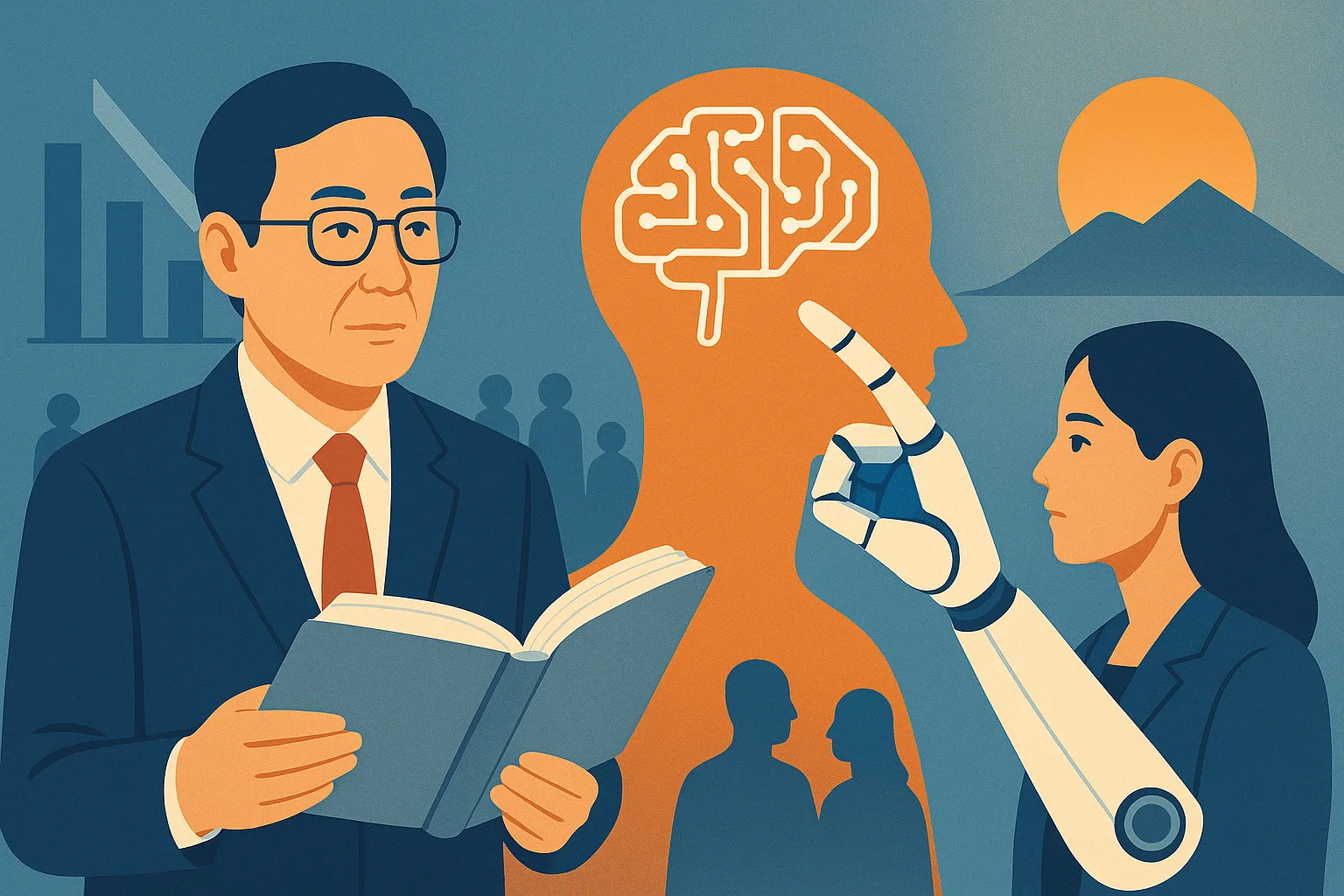
One reason politics can feel distant may be that it is not only about institutions like parties and elections, but also about how people with different interests can live together. *Politics and Korean Democracy in the 21st Century: An Introduction to Political Science*, published by Professor Lee Hyeon-chul of Konkuk University’s Department of Political Science and Diplomacy, looks at the current state of Korean democracy through the basic concepts of political science. The book is published by Parkyoungsa.
From the foundations of politics to the issues facing Korean democracy
The book covers major concepts in political science, including the state and government, political parties and elections, and citizen participation. It also expands into political thought, bureaucracy, political culture, the welfare state and political economy, as well as international politics and the world order, while examining the history and achievements of Korean democracy. It raises key questions such as how citizens’ diverse demands are politically represented and in what ways accountability for decisions can be demanded.
Questions raised by population decline, the climate crisis, and AI
The book also addresses the problems politics faces today, such as demographic change, the climate crisis, and digital transformation. It discusses how to preserve the foundations of life in regions where populations are shrinking, and how the costs and responsibilities of responding to the climate crisis should be shared. It also examines how digital platforms are changing the public sphere and who should control and take responsibility when artificial intelligence becomes involved in decision-making.
These issues are not limited to technology or the environment. They are also tied to which generations and regions bear more of the burden, and whether decision-making processes are genuinely democratic. The book approaches these questions through the lens of intergenerational justice, the sustainability of local communities, and democratic accountability.
Each chapter is built around key questions, so university students encountering political science for the first time can learn its core concepts and theories, while readers interested in Korean politics can think about familiar phenomena from a different angle. Professor Lee Hyeon-chul described the book’s central question as: “How do we live together?” At a time of growing conflict and change, this introductory book offers a helpful guide for readers who want to examine the principles of democracy and the role of politics together.
Source: Veritas Alpha
Related search terms
#Konkuk University professor Lee Hyeon-chul#Politics and Korean Democracy in the 21st Century#introduction to political science#Korean democracy#AI and political decision-making#demographic change and democracy#climate crisis and politics#digital transformation and public sphere