AI · 2026-11-14
AI Music Tops Melon Top 100 for the First Time... Why ‘Did We Become the Adults We Dreamed Of?’ Resonated with People in Their 30s and 40s
MEOMURU’s AI-assisted song “Did We Become the Adults We Dreamed Of?” has reached No. 1 on Melon’s Top 100 for the first time. With 66% of listeners in their 30s and 40s, the track also drew attention for its production method, which combined human planning and songwriting with generative AI.
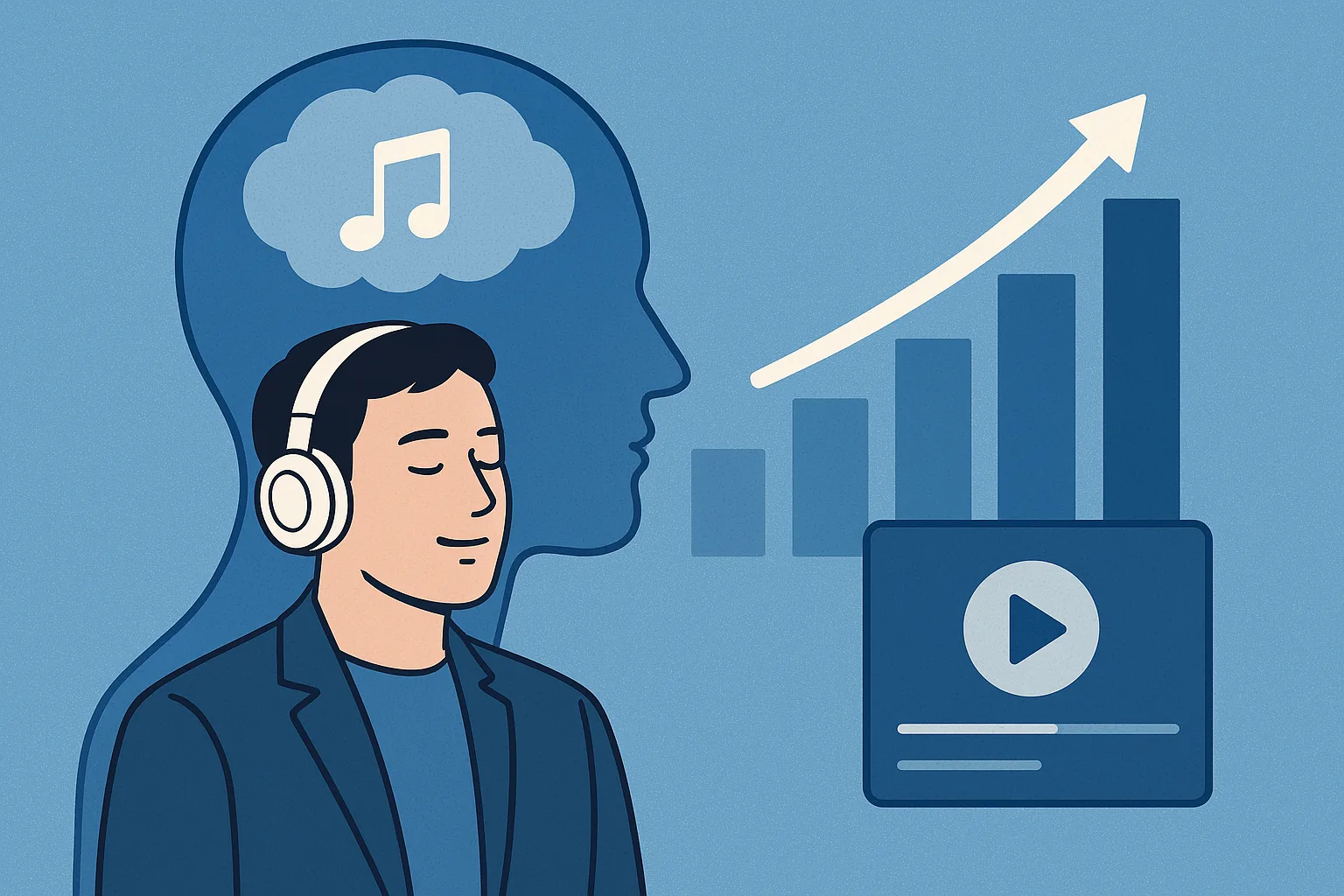
How far can AI-made music move the public? MEOMURU’s rock ballad “Did We Become the Adults We Dreamed Of?” has added a new answer to that question by reaching the top of Melon’s Top 100. It is the first time a song composed and sung with the help of AI has taken No. 1 on the chart.
According to reports from JoongAng Ilbo, the song climbed to No. 1 on Melon’s Top 100 at 5 p.m. on the 13th, about five months after its release, and held the top spot until 11 p.m. It had already risen as high as No. 2 last month and remained near the top after that. It also stands out for beating out new releases from popular girl groups to reach No. 1.
Anxiety and the weight of life that continue even after becoming an adult
“Did We Become the Adults We Dreamed Of?” is a song about the gap between the kind of adult we imagined as children and the reality we actually live in. It reflects the feeling that life would somehow become easier once we grew up, while quietly capturing the burden of everyday life and worries about the future in a calm rock ballad.
The listener demographics also show whose emotions the song especially reached. According to Melon’s data, listeners in their 30s made up the largest share at 36%, followed by those in their 40s at 30%. Together, those two age groups accounted for 66% of the total audience. Listeners in their 20s made up 19%, and those in their 50s accounted for 11%. The song’s theme, which prompts reflection on childhood hopes and present-day reality, appears to have struck a strong chord with listeners in their 30s and 40s.
A production process where people planned and AI brought it to life
MEOMURU is an AI music project planned by Glorywave, a producing team made up of composer-producer Lee Yong-seok (Martin East) and Choi Seong-hyeok (Beatjaru). In the production process, humans handled the planning and lyrics, while generative music AI SUNO was used to create the melody, arrangement, and vocals. The final stages were then completed using existing music production software.
This was not simply a case of using AI-generated output as-is. When Korean pronunciation or melody sounded unnatural, the team revised the lyrics and syllables and generated the track again. In other words, this case can be seen as a production method in which AI’s generative capabilities worked together with human planning, editing, and producing.
Copyright questions that remain despite the song’s success
Separate from its chart performance, copyright remains an issue that still needs to be resolved. According to the report, MEOMURU’s songs are not entrusted to the Korea Music Copyright Association, which means they reportedly do not receive copyright fees for lyrics, composition, or arrangement. In AI-assisted music, determining how to evaluate human creative contribution and rights is a question the music industry will need to discuss together.
This No. 1 ranking is a case that shows AI music can go beyond technical curiosity and actually win over listeners. At the same time, rather than reducing the result to AI alone, it is worth looking at the song’s theme, the human production process, and the role of the AI tool together. A chart success does not automatically resolve copyright standards or bring industry-wide agreement. This summary is based on a report from JoongAng Ilbo.
Related search terms
#AI music tops Melon Top 100#MEOMURU Did We Become the Adults We Dreamed Of#Melon Top 100 No. 1 AI song#rock ballad by AI#30s and 40s listeners#generative AI music production#music copyright issues in AI songs