AI · 2026-11-09
Is the U.S. AI Data Center Strategy Changing? From Desert Builds to Overseas Moves
After the U.S. midterm elections, regulations on data center construction and backlash from local communities have emerged as a new variable in AI companies’ infrastructure strategies. OpenAI has acknowledged residents’ concerns, while Meta and Anthropic are looking at alternatives such as building abroad or expanding existing facilities. That said, investment in the U.S. has not come to a halt.
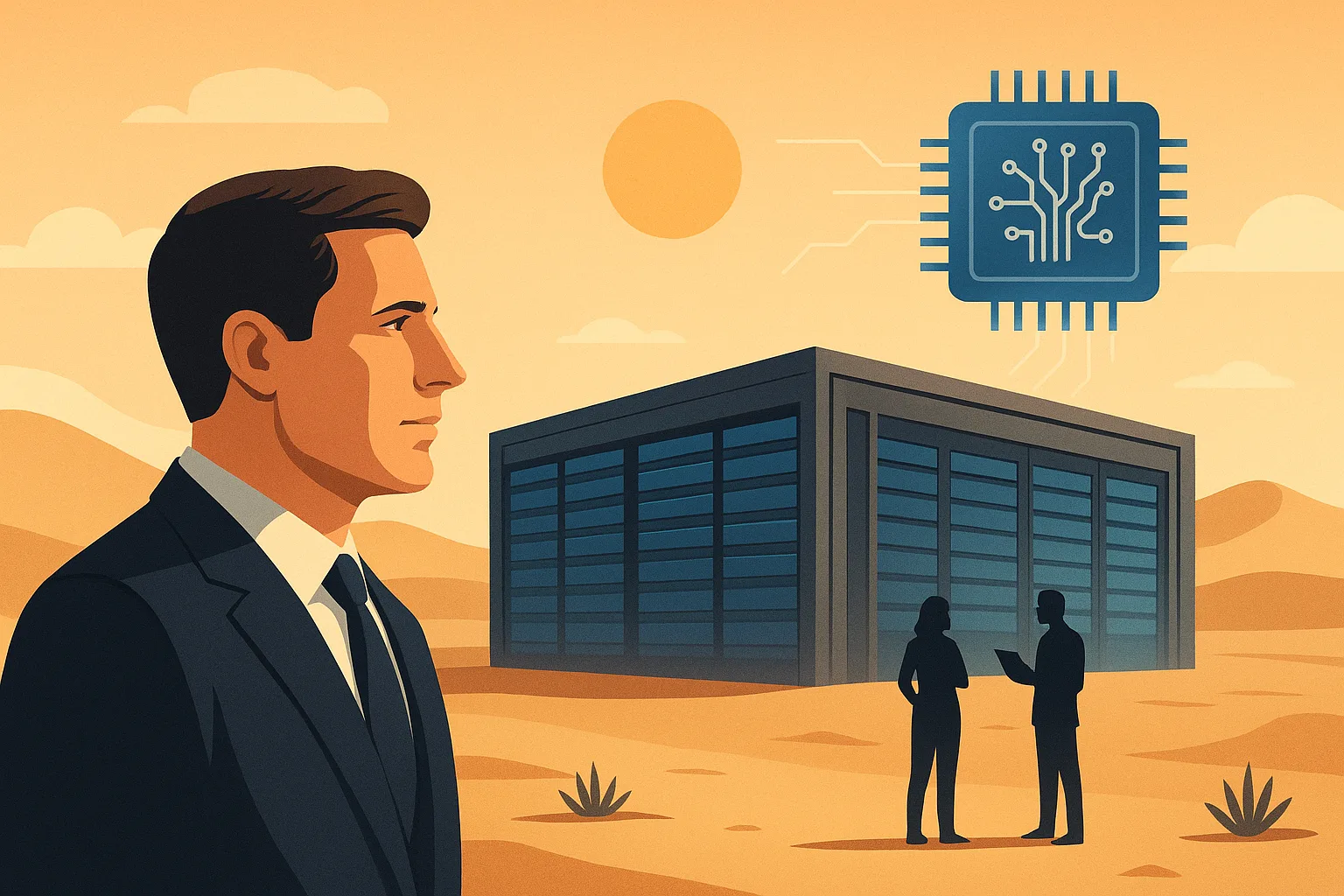
In the race for AI dominance, data centers are a critical foundation for training models and running services. But in the United States, growing pushback from local residents and regulatory moves around new facilities are forcing companies to take another look at where, and how, they expand infrastructure.
According to reporting cited by ZDNet from outlets including The Wall Street Journal (WSJ), Sam Altman, CEO of OpenAI, said in a Q&A with employees that he understands residents may not want to live near data centers and that there are concerns about how much water these facilities use. He also reportedly floated the possibility that companies may even need to consider building data centers in deserts.
These discussions surfaced right after the U.S. midterm elections. Candidates who campaigned on restricting data center construction or tightening regulations won in places like Texas, Georgia, and Ohio, and many local ballot measures also favored stronger restrictions or limits on development. According to the tally cited in the article, 40 of 41 related ballot measures in 10 states leaned toward tougher regulation or development limits.
That does not mean the planned data center capacity has been canceled outright. An analysis showing that about 40% of the total planned U.S. capacity is concentrated in areas where governors promising to pause or stop construction were elected is a sign that regulatory uncertainty could increase, not a measure of how many facilities have actually been halted.
Companies are widening their options in response. Meta is considering building data centers outside the U.S., while also seeing expansion of existing facilities as a potentially easier path than developing entirely new sites. In areas that already have facilities, it is easier to explain the benefits of investment, such as jobs and tax revenue. Anthropic has also said it is negotiating leases for overseas data centers in an effort to reduce its infrastructure risk, which is heavily concentrated in the U.S.
OpenAI, meanwhile, is not backing away from infrastructure expansion. The company has said it will continue its data center expansion plans, and to ease community concerns it has laid out principles under which it would cover the power and related infrastructure costs for facilities it directly owns and operates, while also disclosing water and electricity usage as well as noise impacts. In other words, building data centers is no longer the only challenge; winning local support has become part of the business itself.
Investment in the U.S. is still continuing as well. Google announced a $17 billion investment in data center construction in Wyoming and also acquired land that Crusoe had been developing. However, that land deal was in motion before the midterms, so it is hard to see it as an immediate response to the election results. Likewise, Microsoft’s adjustment of some AI computing capacity was, according to the article, driven by technical specifications and operational efficiency rather than political regulation.
In the end, what we are seeing now is less a full stop in AI infrastructure investment than a reassessment of where and how projects are built. Securing power and land is no longer enough; companies also need the ability to build trust with local communities by explaining impacts such as water use and noise. It remains to be seen how regulation will affect construction schedules and investment scale, but going forward, the gap between companies with existing facilities and those that need to find new sites may widen.
Related search terms
#U.S. AI data center strategy#data center regulations in the U.S.#OpenAI data center expansion#Meta overseas data centers#Anthropic data center leases#Google Wyoming data center investment#local opposition to data centers