AI · 2026-11-06
Chairman Seo Jung-jin: “The Barriers to Commercializing Artificial Organs Are High”... Spotlight on AI Bio Research
Seo Jung-jin, chairman of the Celltrion Group, said there are many hurdles to overcome in the commercialization of organoids and artificial organs, including immune rejection. He advised life science students not to abandon their major, but to broaden their path through graduate research that combines AI with advanced therapeutics and bio platforms.
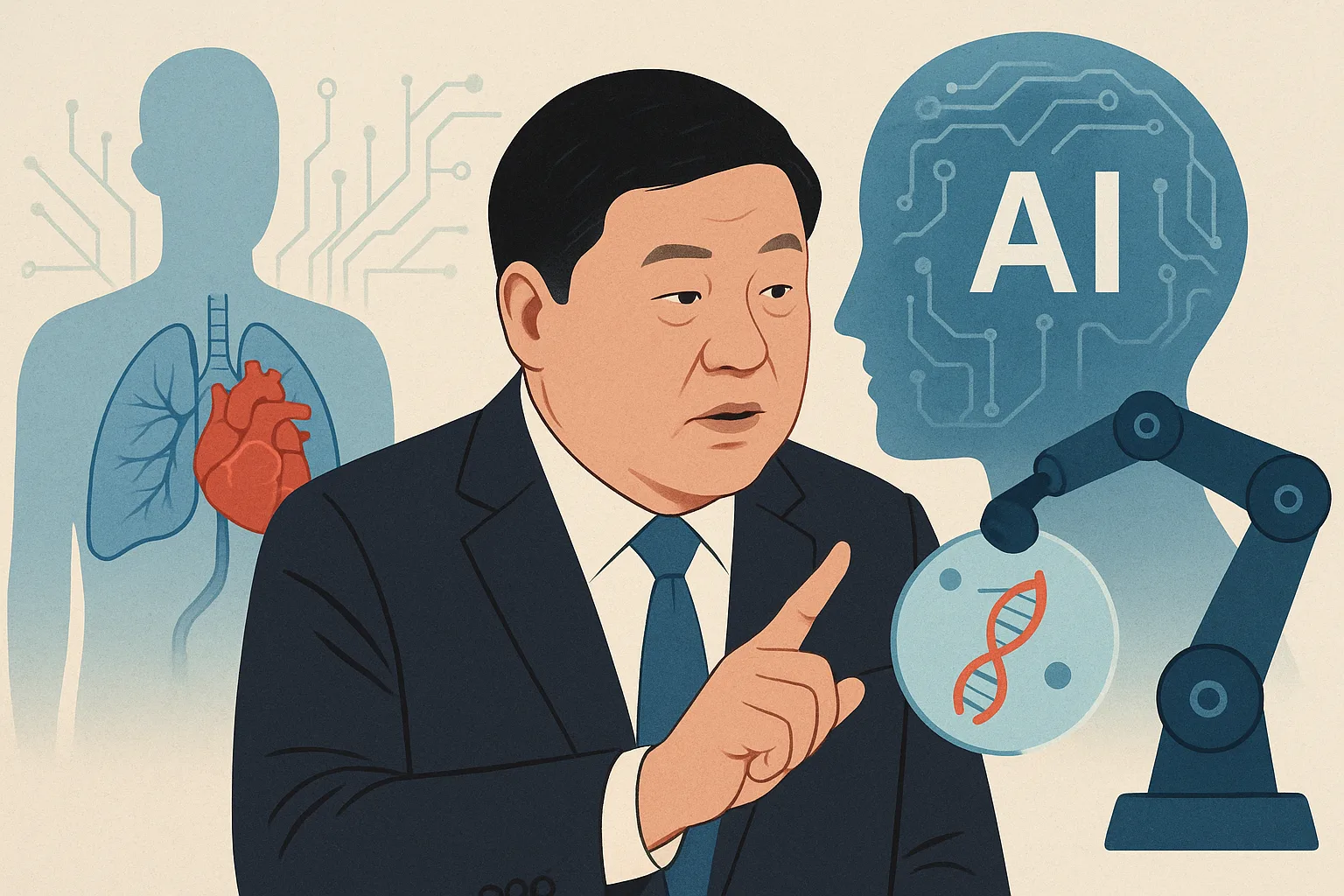
Artificial organs and organoids have long been research topics that have drawn steady interest in the biotech field. But there is a wide gap between proving a concept in the lab and applying it to actual patients. Seo Jung-jin, chairman of the Celltrion Group, also pointed this out in a conversation with university students, and advised them to pay attention to research that combines AI and biotech.
According to BizHankook, Chairman Seo answered questions about career paths from a life science student interested in artificial organs and organoids during a Q&A session held after a special lecture at Sogang University’s Mentoring Center, “The Window of Thought.” He said that if students are planning to go to graduate school, they should boldly change their specific major. However, this was not meant as a call to leave life science altogether, but rather as advice to look for research areas that combine their existing knowledge with AI.
The reason he was cautious about the commercialization of artificial organs was that there are many issues that must be solved before they can be applied to patients. In particular, he pointed to immune rejection against transplanted tissues or organs as a major barrier. For research results to lead to real treatment, not only technical feasibility but also safety and practicality must be confirmed. He also mentioned past research such as pig islet transplantation, noting that in some cases the commercial potential of certain studies had been overstated.
Organoids are a technology that 3D-cultures stem cells or patient-derived cells to mimic some of the structure and function of organs. They can be used not only in artificial organ research aimed at replacing organs through transplantation, but also in preclinical studies to evaluate the efficacy and toxicity of drug candidates. For that reason, it is important to distinguish between saying organoid research is meaningless and saying that commercialization will take time. Research applications and transplantation for patient treatment are different challenges.
Chairman Seo recommended looking into advanced therapeutics and bio platform fields that are likely to be feasible within the next 5 to 10 years. This was a career suggestion offered during the lecture, not a prediction that any specific technology will necessarily be commercialized within that timeframe.
Another change mentioned in the lecture is that AI is affecting corporate work and hiring as well. According to the article, Celltrion spends more than 8 billion won a year on platform subscriptions to support employees’ use of AI, and Chairman Seo said productivity has risen significantly. The company is also pushing forward with a method of using AI to find researchers, technologies, and business opportunities, then verify them. At the same time, he said the company has shifted toward reducing entry-level hiring and bringing in experienced workers when needed.
While AI is expanding opportunities to help with exploration and analysis in biotech research, it may also bring changes to companies’ staffing needs. For students, rather than locking their major into a narrow track, adding data and AI capabilities on top of a life science foundation may become an important option. That said, Chairman Seo’s remarks are advice based on his own management experience and outlook at a specific company. When deciding on a career path, it is worth considering not only commercialization prospects, but also the research topics you are interested in and the expertise they require.
Related search terms
#artificial organs commercialization#organoid research#AI biotech research#life science career advice#Celltrion Chairman Seo Jung-jin#immune rejection in transplantation#advanced therapeutics and bio platforms