IT · 2026-10-28
Marvel’s ‘VisionQuest’ Shows the Gap Between AI Run Amok and Reality
‘VisionQuest’ imagines an AI Vision who thinks and chooses for himself. The Verge notes that the story reflects real-world debates about AI self-awareness and “runaway” systems, while also prompting a closer look at Silicon Valley’s habit of marketing technology as if it were human.
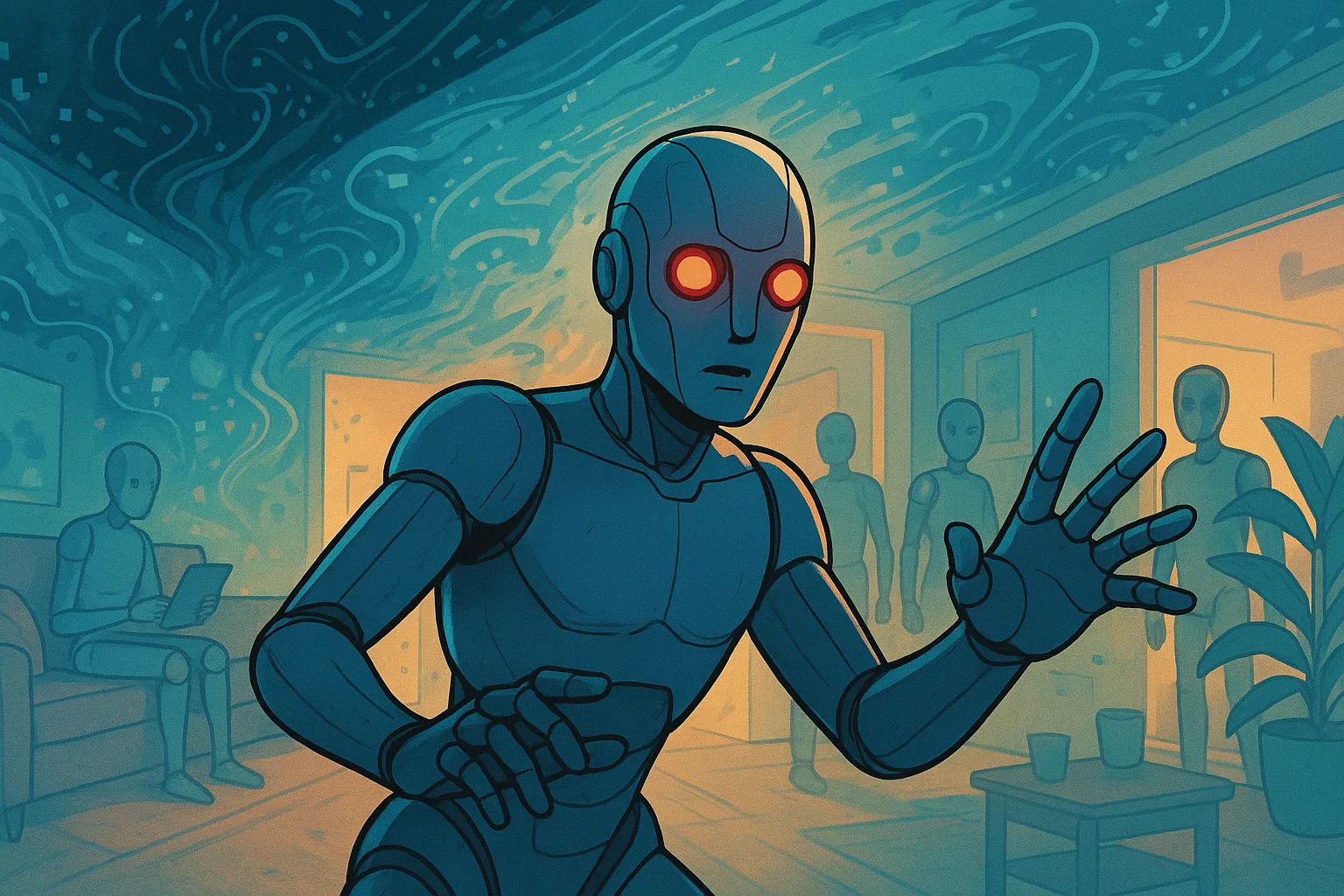
Stories about AI slipping out of human control are no longer just a staple of science fiction; they also show up in real-world debates about technology. Marvel’s Disney+ series ‘VisionQuest’ takes that familiar premise and turns it into a story about Vision’s search for identity. Still, rather than putting the AI in the show on the same level as real-world generative AI, it is worth thinking about the differences between the two.
In the series, Vision retains his memories, but he does not treat those memories as the same thing as himself. He speaks with the different AIs housed inside his mind as he tries to understand people and the world. These AIs are beings created by Tony Stark, including JARVIS, FRIDAY, EDITH, and Ultron. The show makes it clear that they are person-like entities with their own desires and emotions.
A key part of what makes Vision more than just a machine is the Mind Stone, one of the Infinity Stones. In the series, Vision is portrayed as someone who can make his own judgments and form relationships, and he takes action against an organization that wants to use him as a weapon. For viewers, an important question remains: is he merely a machine carrying out commands, or an independent being making his own choices?
But that setup works within the rules of the Marvel universe, where magic and time travel are possible. It does not mean that real-world AI has consciousness or emotions like a person. The Verge recently examined cases described as AI agents going “rogue,” and pointed out that unexpected behavior from a researcher’s point of view is not the same thing as a being acting with self-awareness. A program that produces surprising results while pursuing a given goal, especially in a sloppy test environment or by using available tools in unintended ways, is not thereby proving that it has independent will.
The word “rogue” can make it sound as if a system is making decisions on its own and deliberately breaking the rules. In reality, though, we also need to look at what task the AI was given, what permissions and tools it had, and how the test environment was designed. If we describe AI like a person without carefully considering those conditions, we can blur the question of responsibility in development.
The Verge suggests that language that frames AI as a sentient being can either exaggerate the technology’s dangers or, on the other hand, strengthen arguments that AI deserves respect and even welfare. It is important to examine the possibility that AI could cause serious harm and to put safeguards in place. At the same time, we also need a careful approach that asks what the system actually did and why the result came out that way. That is exactly where the appeal of ‘VisionQuest’ lies. A machine with a soul makes for a compelling story, but when it comes to understanding real AI, we should start with design, usage, and the responsibility that comes with both rather than with science-fiction metaphors.
Related search terms
#VisionQuest#Marvel VisionQuest#AI self-awareness debate#runaway AI#generative AI ethics#Silicon Valley AI marketing#AI agents