AI · 2026-11-18
U.S. Pushes Ahead with AI Chip Import Permits for Data Centers in 5 Countries… China Warns of Response
The United States has introduced a draft rule requiring data center operators in Singapore, Malaysia, Thailand, Indonesia and Brazil to obtain permission to import advanced AI chips. China opposed the move and warned it would respond, as Washington seeks to curb Chinese access to chips through third countries and remote use of overseas data centers. Asian semiconductor and AI-related stocks also weakened.
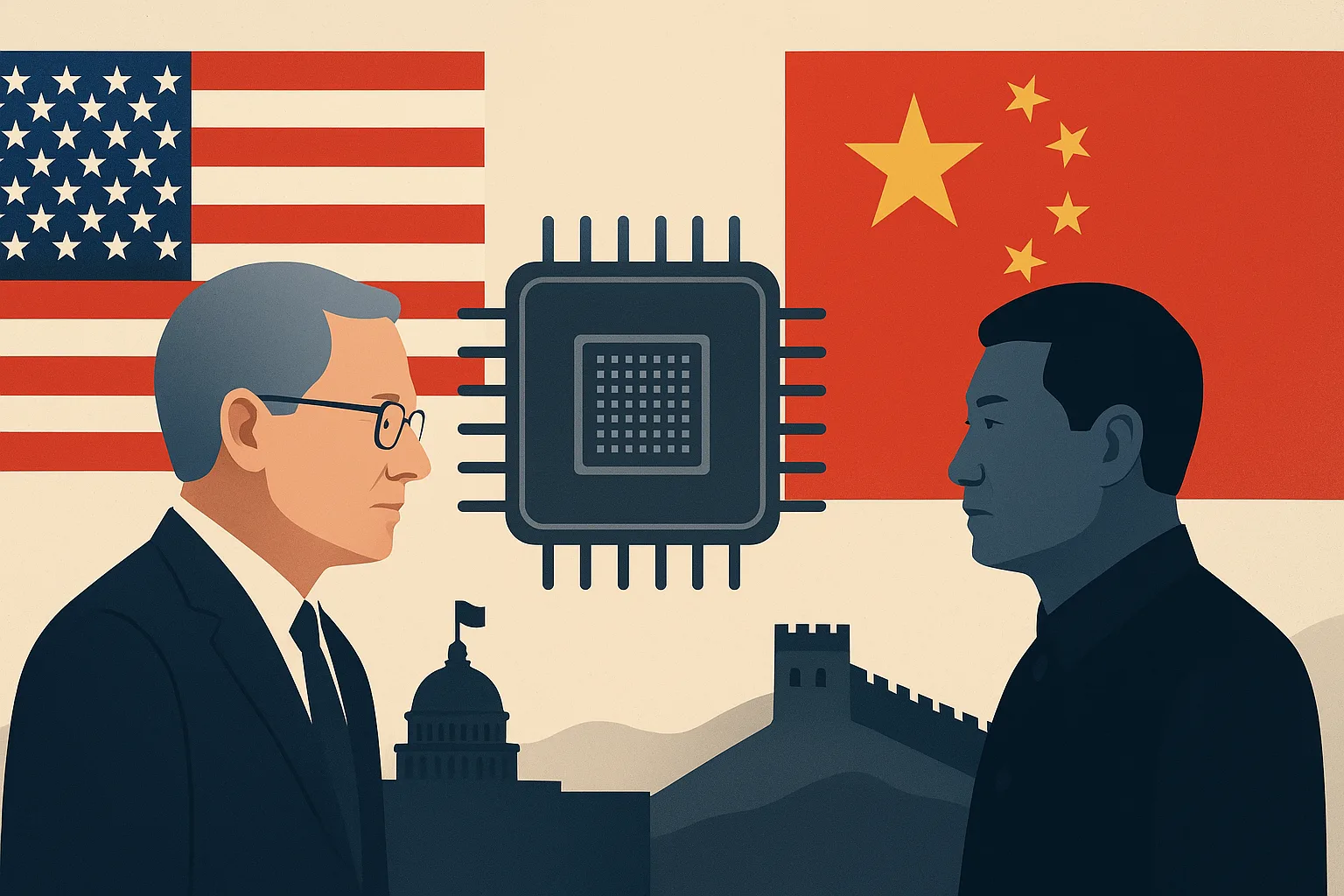
As the United States moves to tighten export controls to block China’s access to advanced AI chips, Beijing has pushed back. The core of the draft rule is to restrict not only direct chip exports to China, but also routes that go through third countries or rely on remote access to computing resources at overseas data centers.
According to the U.S. Department of Commerce’s draft rule, data center operators in Singapore, Malaysia, Thailand, Indonesia and Brazil would need approval from the U.S. government before bringing in advanced AI chips from American companies such as Nvidia. Based on the reporting provided, it could not be confirmed whether the same rule applies equally to all companies in those countries, but the draft is intended to prevent attempts to bypass existing technology-access restrictions by using data centers in third countries.
China’s Ministry of Commerce expressed strong dissatisfaction and firm opposition to the plan. It warned that if the United States pushes ahead with the rule, China will take countermeasures to safeguard its sovereignty, security and development interests, but it did not say what actions it might consider. As a result, no concrete response from China has yet been established.
Markets reacted negatively once the proposed rules became known, with Chinese AI companies and Asian semiconductor-related stocks falling together. According to reports, Alibaba dropped about 5% in Hong Kong, Baidu fell by nearly 6%, and the Hang Seng Tech Index slipped 1.1%. Samsung Electronics fell 3%, while Japanese semiconductor equipment maker Advantest dropped 4.4%. Malaysia’s YTL Power International, which had been seen as a likely beneficiary of rising data center power demand, also slid by nearly 10%.
If the regulation is actually implemented, Chinese AI companies could face limits not only in securing advanced chips directly, but also in accessing overseas computing resources. Since training AI models requires substantial computing power, a tighter grip on compute access could weigh on model development and cloud business growth. That said, this is an outlook on the potential impact of the draft rule, and the actual scope and effect would depend on the final regulations.
This issue is not just about chip exports; it also highlights the U.S. effort to manage the flow of AI technology by covering data centers and remote computing as well. If the number of regulated companies and countries expands, or if China responds in practice, uncertainty around semiconductor supply chains and related markets could continue. According to the report, Nvidia has also established a board committee to oversee national security and export controls.
Source: TokenPost report. This article is not investment advice for any specific stock.
Source: 미국 AI칩 5개국 허가제 추진, 중국 '대응 조치' 경고
Related search terms
#U.S. AI chip export controls#data center AI chip permits#advanced AI chips import approval#China response to U.S. chip rules#Nvidia export controls#semiconductor stocks in Asia#overseas data centers and AI chips