AI · 2026-11-17
Fed Chair Waller Prepares AI Economic Impact Scenarios, Offers No Near-Term Rate Hints
Kevin Waller, chair of the U.S. Federal Reserve, said staff have begun scenario work to analyze how AI could affect productivity, employment, and monetary policy. He did not, however, offer any signals about upcoming policy decisions, including next month’s FOMC meeting.
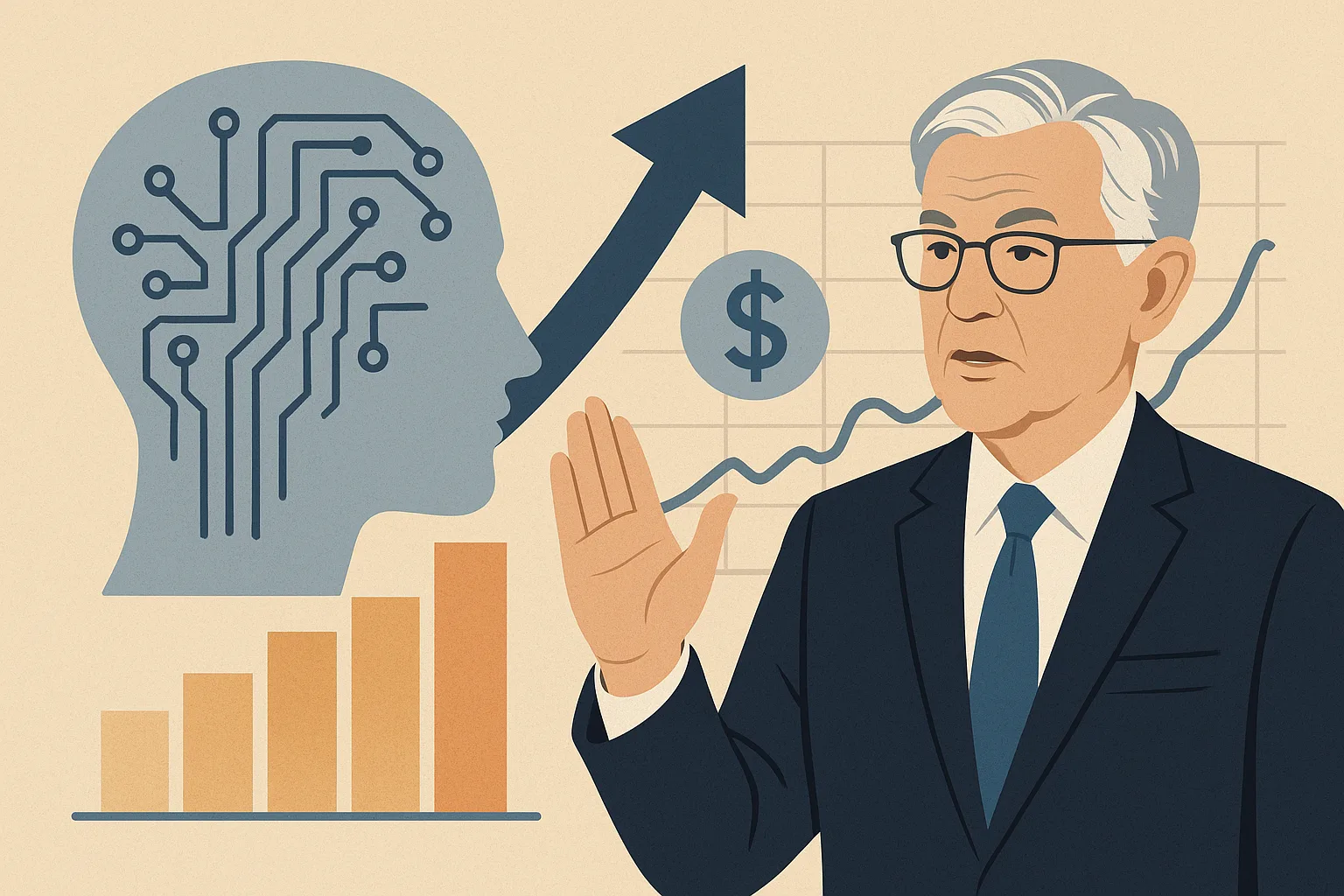
Artificial intelligence is a major question not only for companies and workers, but also for central banks. Technology adoption could lift productivity, but there is also a chance that investment and market expectations will run ahead of actual results. Kevin Waller, chair of the U.S. Federal Reserve, said Fed staff have started scenario analysis to examine these uncertainties surrounding AI’s economic impact.
In a speech at a productivity and jobs task force conference in San Francisco, Waller explained that staff on the Federal Reserve Board are looking at several possibilities and building an analytical framework using structured models. The move reflects the fact that the economic outcome over the next few years could vary significantly depending on how AI technology develops.
One scenario he outlined is one in which AI boosts productivity and the gains are broadly shared between workers and capital owners. In that case, real GDP growth could run above its long-term average, while employment could remain close to full employment. On the other side is the possibility that the technology falls short of expectations. If large capital spending and a stock market rally are followed by lower expected returns and falling equity values, that could lead to a slowdown and higher unemployment.
This is not a firm forecast, but rather a scenario designed to explore the range of possible outcomes. Waller said the Fed’s role is not to support or oppose AI, but to recognize that broad adoption of the technology could have major effects on the economy and could carry important implications for future monetary policy.
That said, his remarks did not provide any specific clues about near-term interest-rate decisions. He also made no mention of next month’s Federal Open Market Committee (FOMC) meeting. Waller said productivity growth in recent quarters has been quite strong, but added that it is still too early to call it a clear and structural upward trend.
The task force studying AI’s effects on productivity and employment is one of five task forces Waller set up in June. As related analysis accumulates, it could help the Fed interpret technological change and economic data. Still, simply launching scenario work does not signal the direction of interest rates; actual monetary policy decisions will depend on a broader assessment of economic conditions.
Related search terms
#Federal Reserve AI scenario analysis#AI impact on productivity and employment#Kevin Waller Fed speech#FOMC interest rate outlook#AI and monetary policy#US Fed productivity task force