AI · 2026-11-06
How AI Citrus Observation Automation Could Change Jeju Farming
By photographing tangerine trees with a smartphone, farmers can create 3D models and have AI analyze the number and size of fruit. This citrus observation automation is being promoted as a way to reduce field survey time and improve the accuracy of yield forecasts, though standardizing the shooting method remains a challenge.
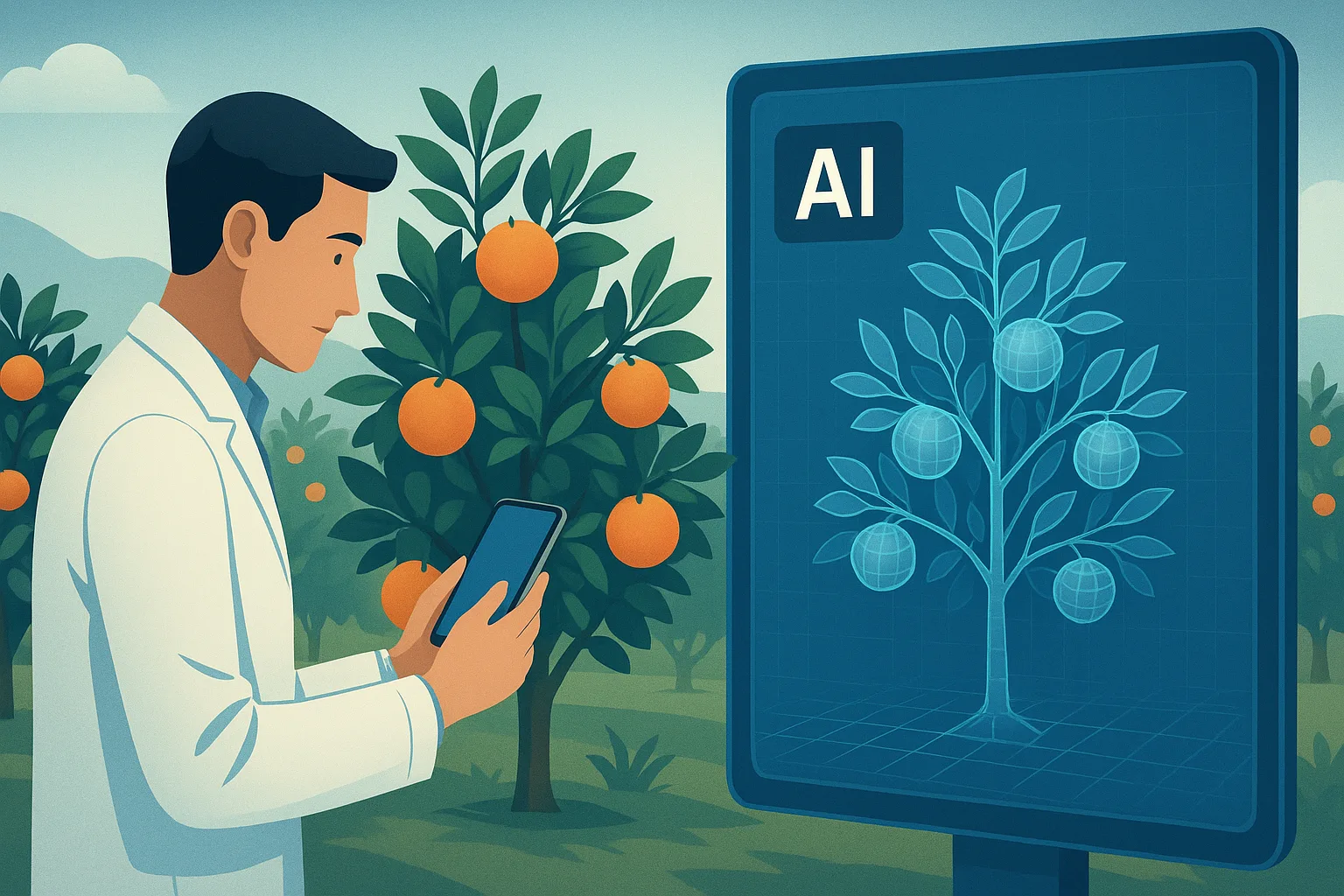
Measuring the number and size of fruit on tangerine trees is an important step in estimating Jeju’s citrus production. Yield forecasts are also used to plan shipping and distribution and to support agricultural policy. Until now, however, manual surveys have taken a lot of time and effort, and the results could vary depending on the skill of the person conducting them.
According to a reader submission to Jeimin Ilbo, Jeju is working to reduce this burden by combining artificial intelligence (AI) with 3D technology to automate citrus observation. The process involves surveyors photographing tangerine trees from multiple angles with a smartphone and sending the images to the JejuDA platform, which then creates a 3D model of the tree and uses AI to analyze the number and size of the fruit.
In the second open-field citrus survey conducted in August and introduced in the column, the time spent surveying each plot was cut by about 50%. The accuracy of fruit count measurements was reported at 85% or higher, while fruit size accuracy reached 97% or higher. This shows the potential to reduce the time required for observation work while improving survey efficiency through images and data. That said, these figures come from that specific survey, and it would be hard to say the same level of performance is guaranteed in every field.
There are also issues that need to be addressed before the system can be introduced reliably on site. Because analysis results can vary depending on shooting speed, distance, and angle, it is necessary to establish shooting standards and prepare a manual that surveyors can easily follow if different people are to achieve consistent results.
The significance of citrus observation automation goes beyond simply reducing survey time. If repetitive work can be eased and consistent data accumulated, it can provide a stronger foundation for yield forecasting and policy decisions. Rather than fully replacing human fieldwork, AI is being used to reduce the burden of the survey process and support data analysis. If field verification and shooting standardization continue going forward, it could also help with production and supply management for Jeju citrus.
Source: [독자기고] AI가 감귤 관측 현장을 바꾸고 있다
Related search terms
#Jeju citrus observation automation#AI tangerine tree survey#3D citrus fruit analysis#JejuDA platform#citrus yield forecasting#smartphone tree imaging#Jeju farming technology