AI · 2026-11-03
8 in 10 Judges Have Seen AI-Generated Fake Case Citations: What Impact Has It Had in the Courtroom?
In a Supreme Court survey, about 80% of judges handling civil, family, and administrative cases said they had experienced instances where nonexistent or incorrect case law was cited in court. The National Court Administration is reviewing responses, including a basis for fines and guidance for e-litigation users.
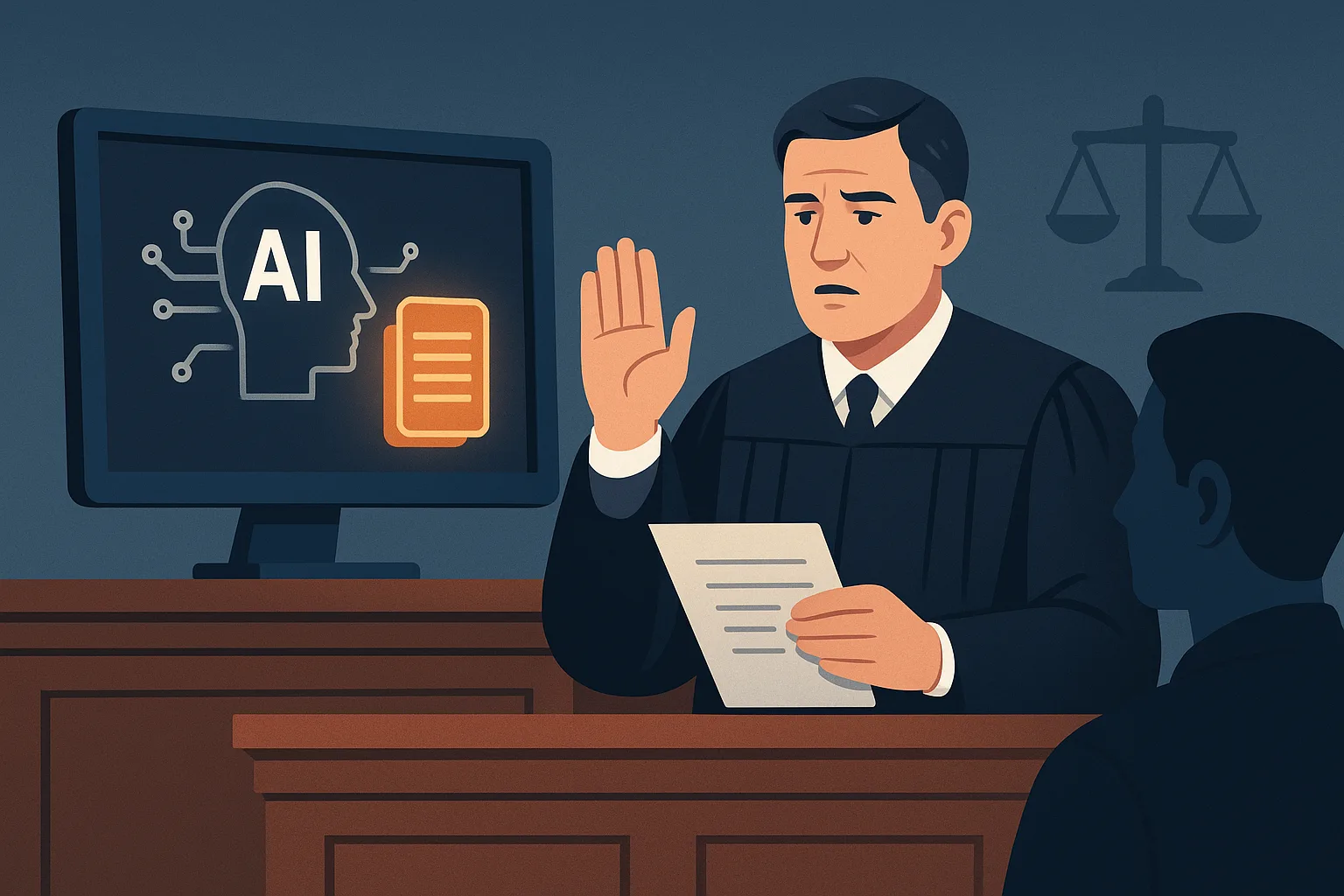
Even when AI produces text that sounds convincing, there is no guarantee that the case law it cites actually exists. A Supreme Court survey has highlighted why lawyers and litigants need to be especially careful when using AI for legal documents. About 8 out of 10 judges handling civil, family, and administrative cases said they had encountered fake case citations.
The survey released by the Supreme Court included 360 judges from courts across the country. Among those who responded, 196 judges, or 80.7%, said they had experienced cases where nonexistent precedents were cited, making this the most common response. Another 159 judges, or 65.4%, said they had experienced citations of precedents that differed from the actual court decision. Cases involving false or nonexistent legal provisions were reported by 41 judges, or 16.9%, while citations of academic papers or other materials were reported by 10 judges, or 4.1%.
When asked who had cited the false materials, 164 judges, or 69.5%, pointed to the party to the lawsuit themselves, making this the most common answer. Another 136 judges, or 57.6%, identified the lawyer acting as counsel or legal representative. The cases introduced in the article included submissions that dressed up AI-generated fake judgments to look like Supreme Court decisions, or cited actual judgments while changing their content. There were also cases in which conversations with AI or phrases related to litigation strategy were left unedited and included in written submissions.
AI “hallucination” refers to the phenomenon in which it generates information that does not exist or is factually wrong, while presenting it as if it were correct. Legal materials can seem trustworthy at first glance if they include case numbers and summaries of rulings, but a convincing format alone does not confirm that a precedent is real. That is why, rather than copying legal provisions or precedents found by AI as they are, it is important to verify through official sources whether the case number, ruling, and cited point are all accurate. This is a general caution for use, and the survey results themselves do not mean that all AI use leads to errors.
The problem is that false citations may not stop at a simple mistake by the person drafting the document. The other side may need to challenge whether the material is real and whether the citation is accurate, and the court may also spend time checking the submitted basis. The National Court Administration explained that this burden could affect litigation costs and the pace of proceedings, and that it may be especially difficult for people who are representing themselves without a lawyer.
A large majority of respondents, 91.7%, said institutional measures are needed. The National Court Administration said it plans to push for amendments to the Civil Procedure Act and Criminal Procedure Act to establish a legal basis for fines in cases of false case citations, and to consult with relevant agencies and the National Assembly. It is also reviewing a plan to provide guidance on the risks of using AI on the electronic litigation website. Since these measures are still in the proposal and review stage, it remains to be seen exactly how they will take shape.
What this survey ultimately shows is not simply whether AI was used, but who is checking the accuracy of legal documents, and how. AI can help draft a first version, but it cannot take responsibility for verifying the authenticity of the precedents and statutes submitted to the court. The related coverage was reported by PPSS, and if the response measures are finalized, they could bring changes to the verification process for both litigants and legal professionals alike.
Related search terms
#AI fake case citations#Supreme Court survey judges#false precedent citations#electronic litigation AI guidance#court documents and AI#National Court Administration response#legal document accuracy